soar to new heights with your dance
Ballet requires both physical capability and strong mental health. The resources below will help you on the road to becoming a successful dancer.
start here
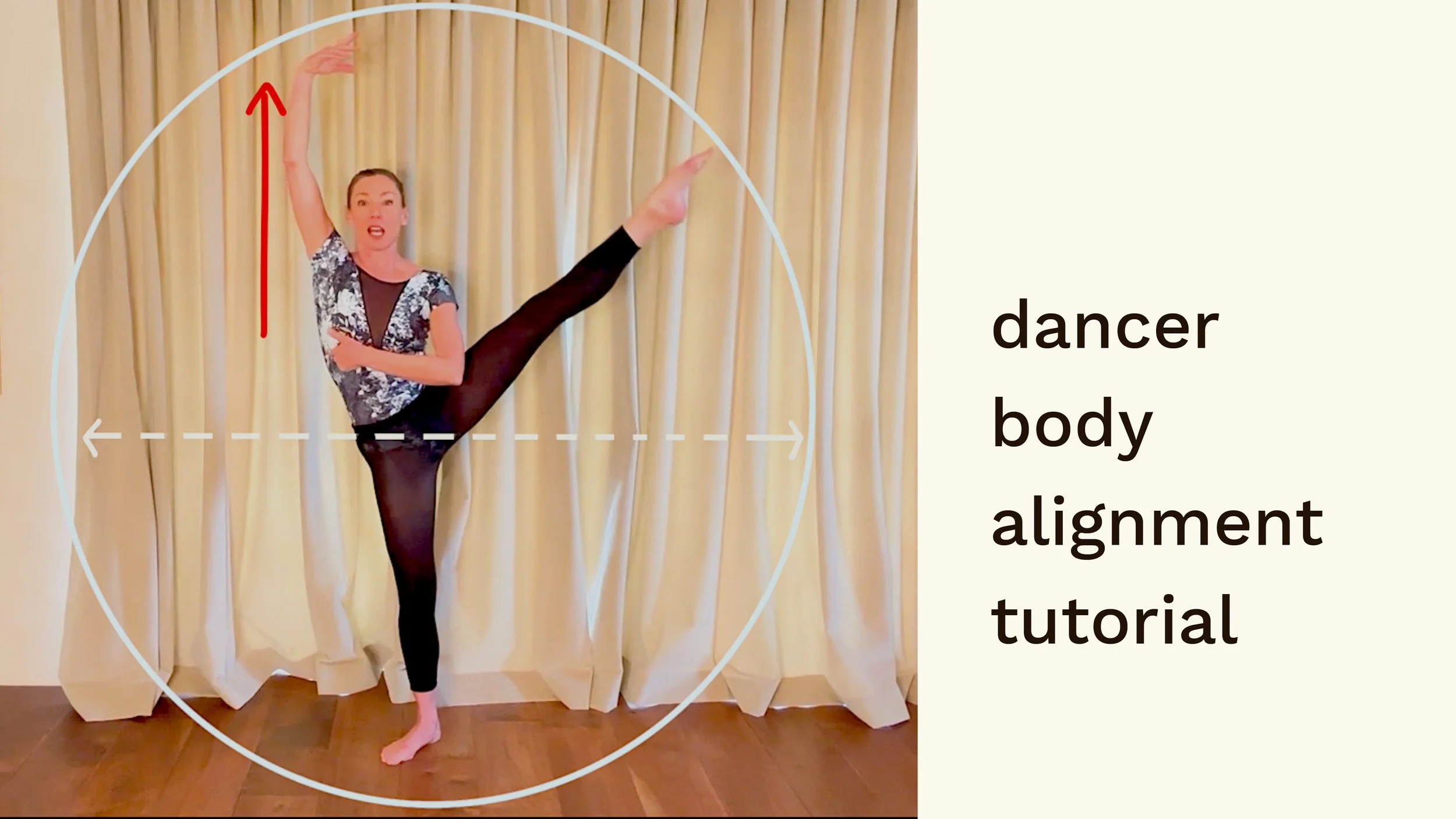
This video introduces different alignment lines along the body, in relation to dancing tango and ballet. These recommendations will also be helpful in maintaining good alignment with cross training exercises.
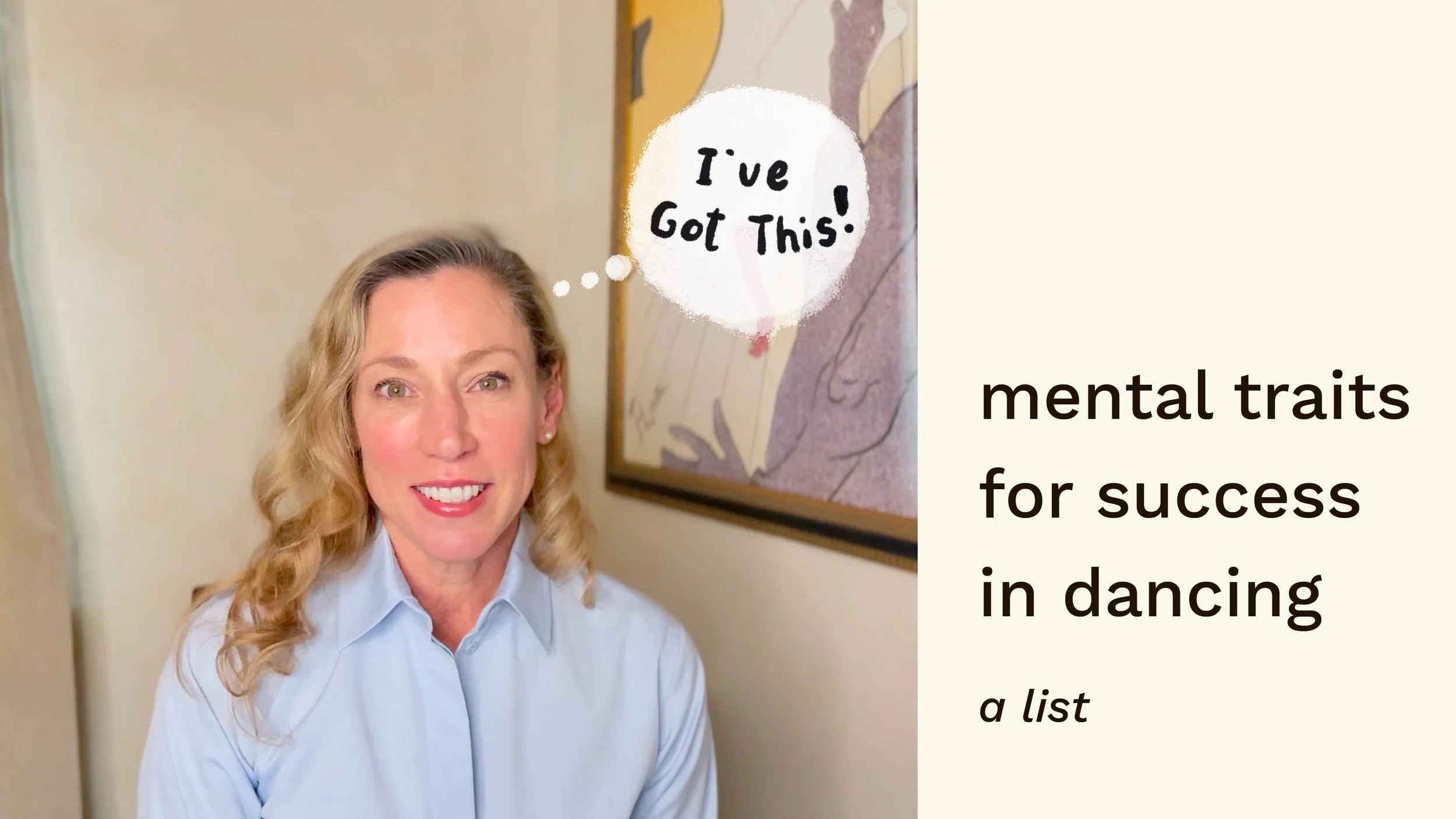
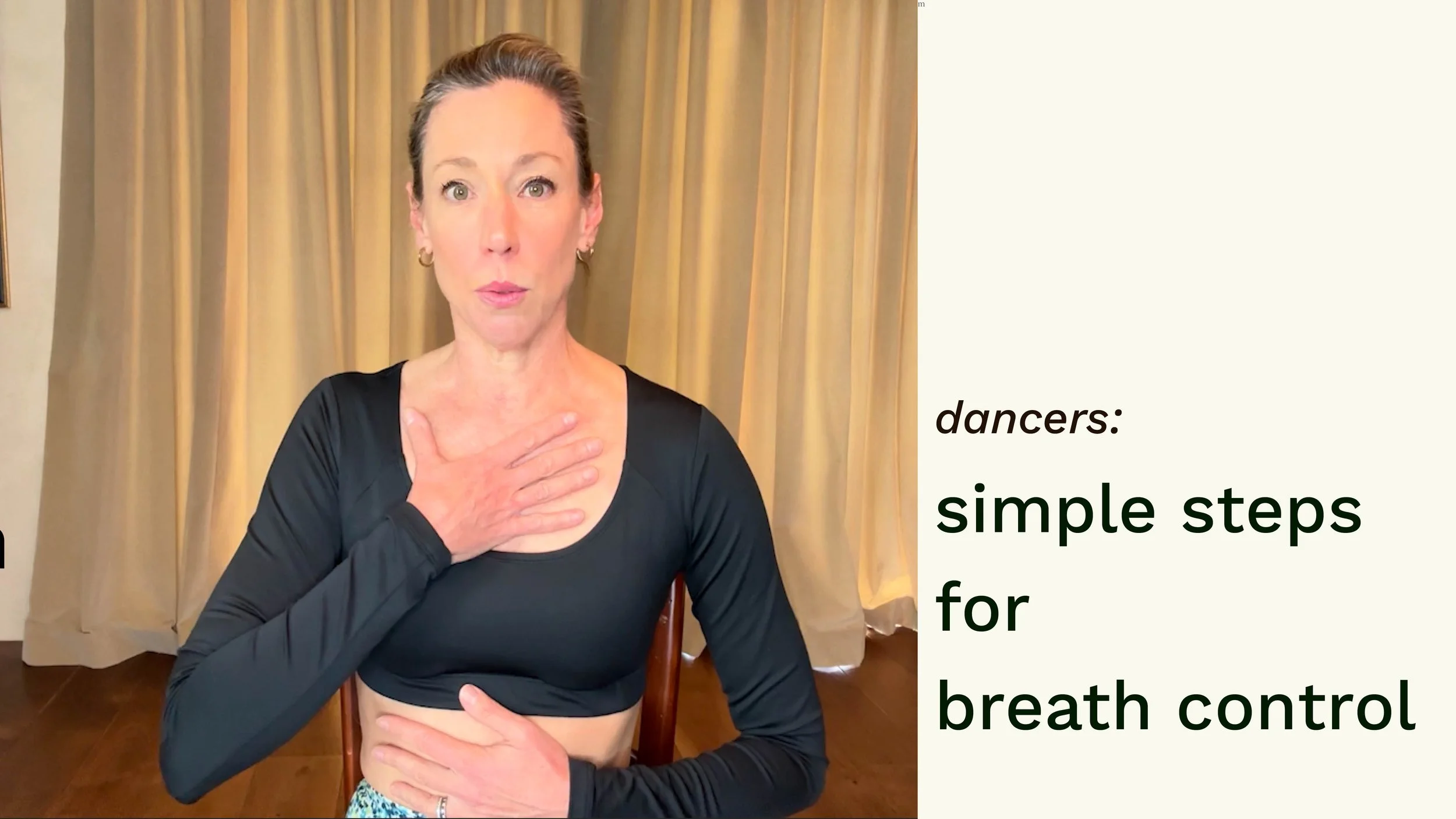
Dancers focus on improvement to their technique and on their body. Few focus on their mind, which can be even more important for success. This video will enumerate important mental traits for dancers — and how to work on those traits if you don’t already have them.
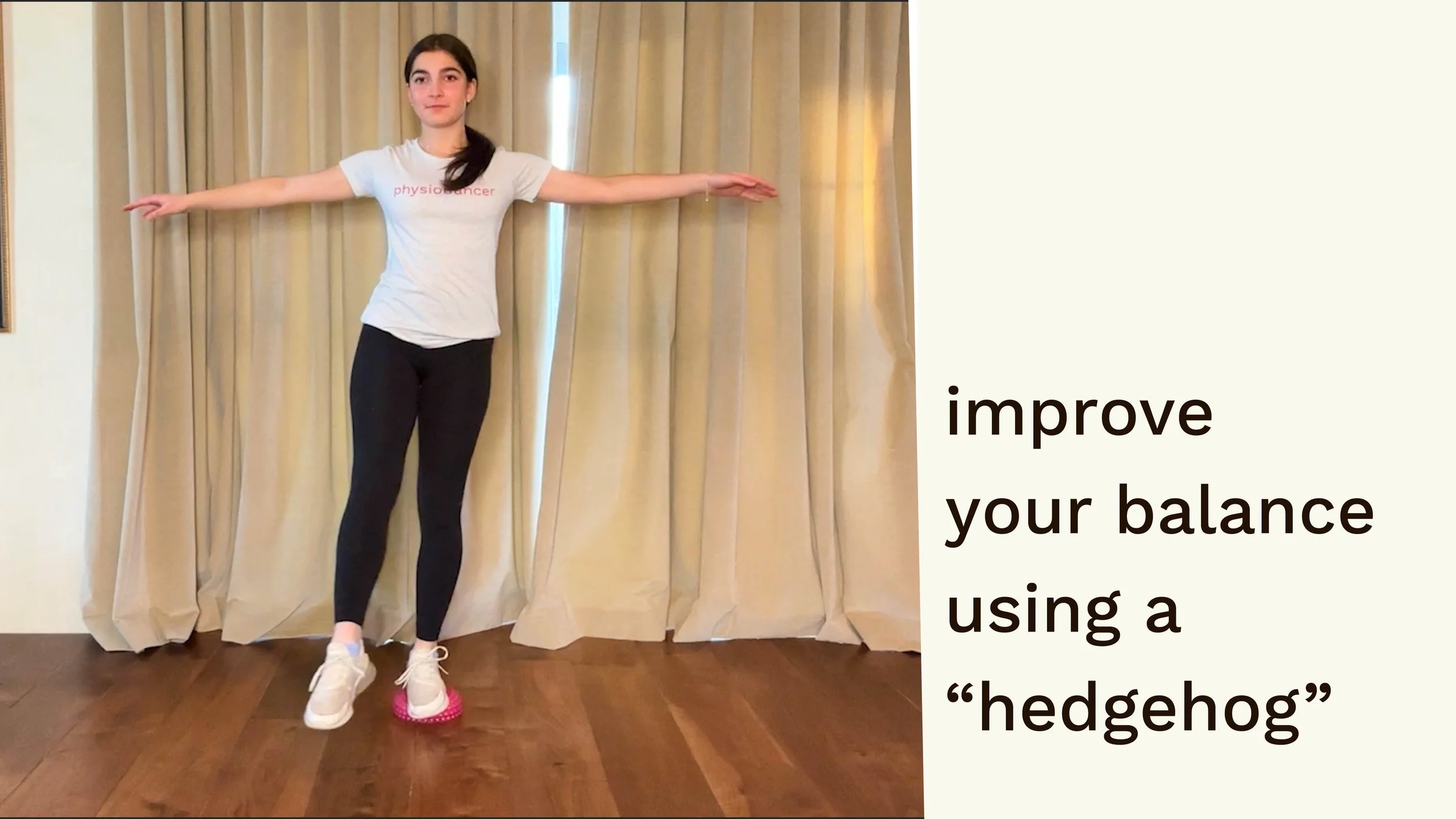
In order to stand and walk, we need to have toe dexterity and strength, which is often overlooked. In this video, you will learn foot mobility and strengthening exercises so that you have better contact with the ground, improving your balance, and ultimately, lengthening your dance career!
latest posts on ballet
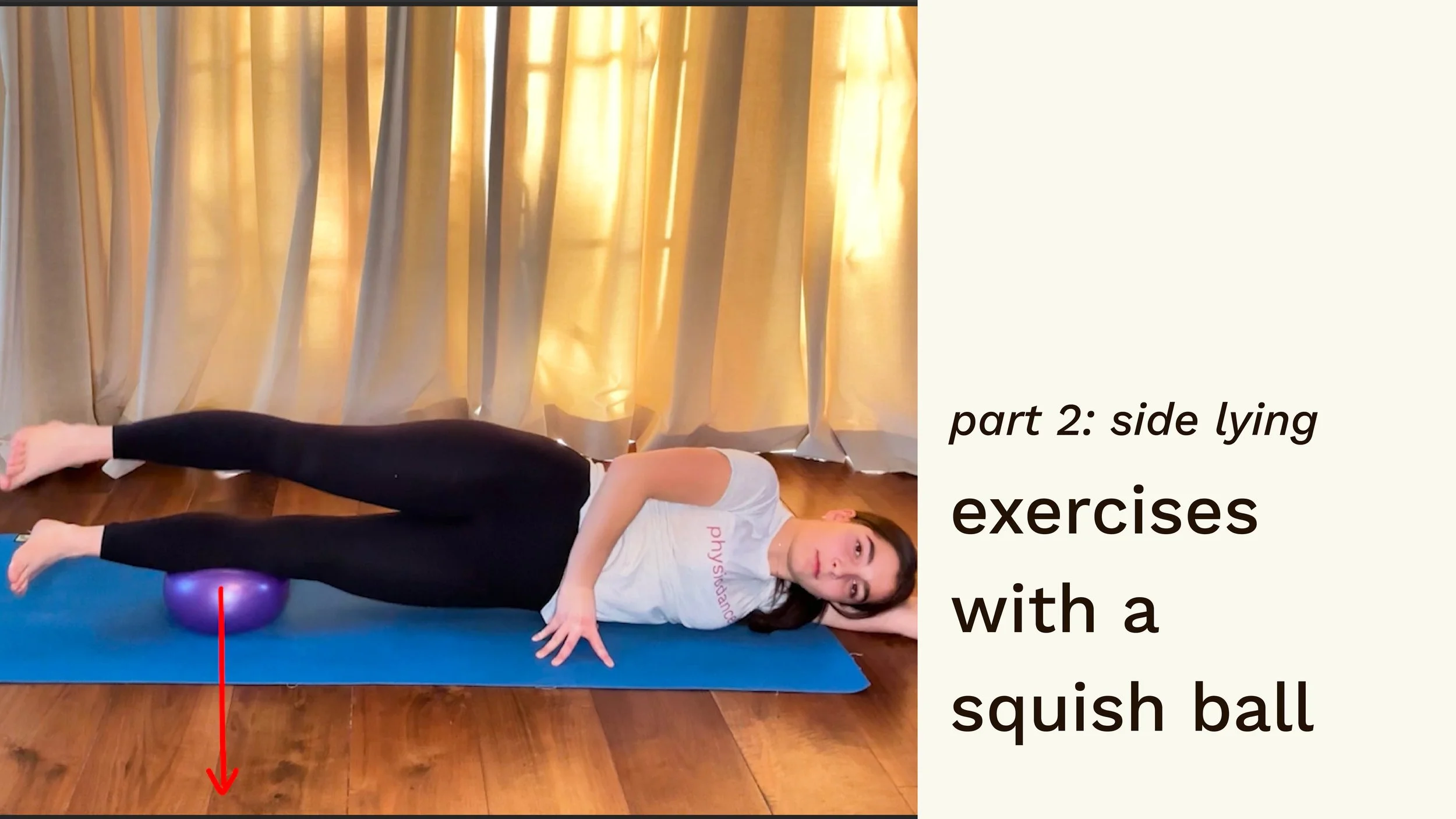
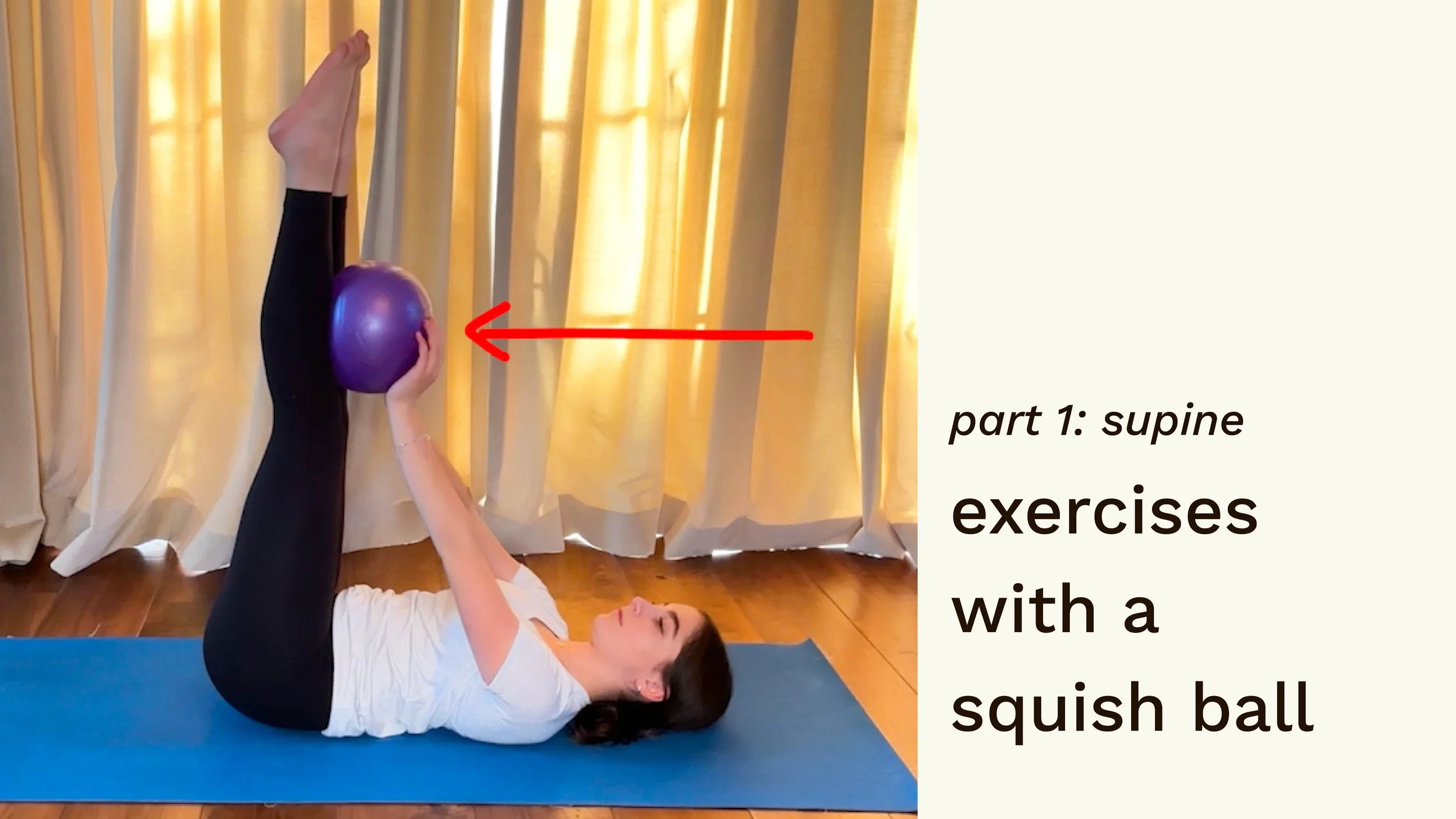
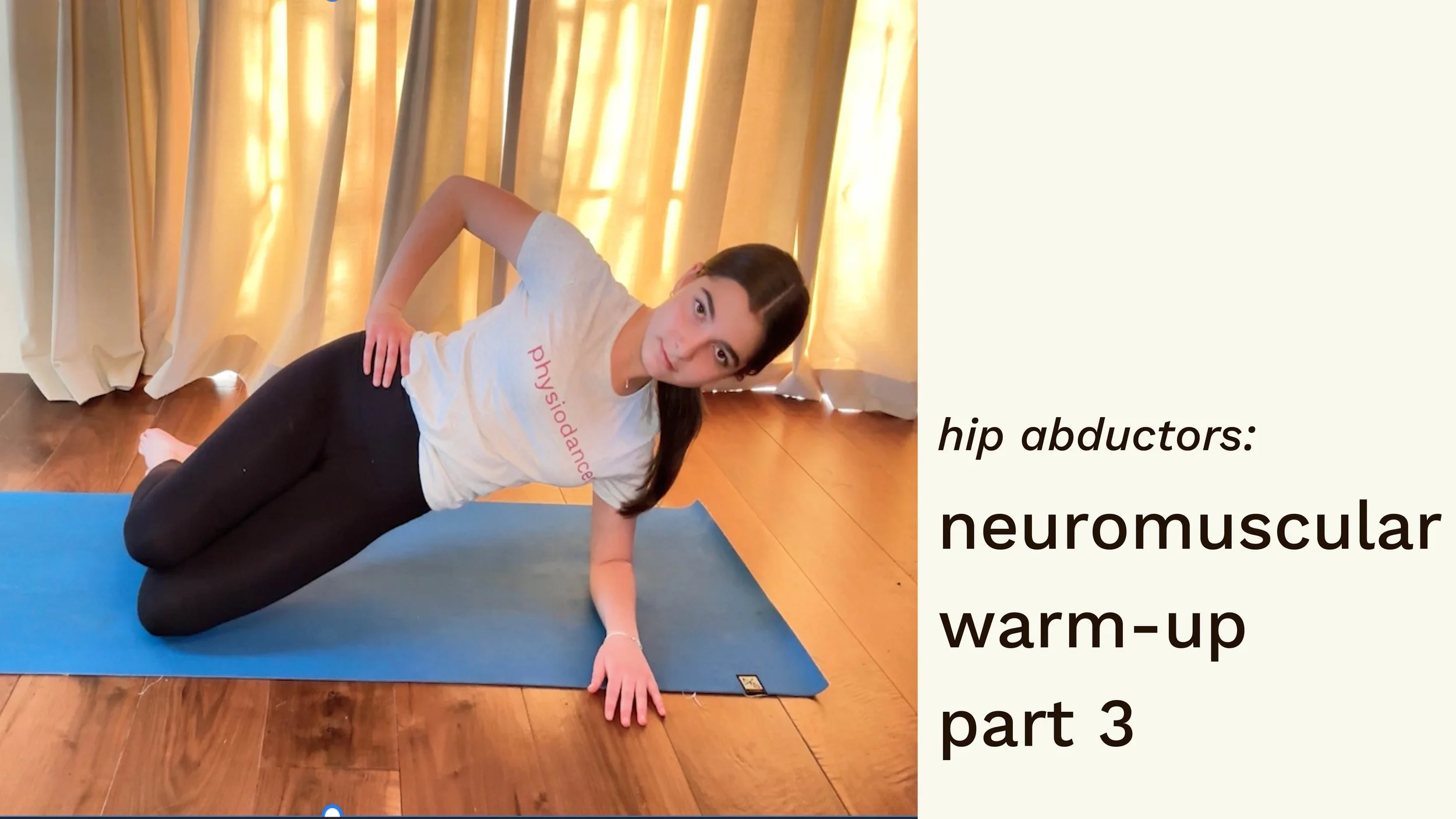
This is the second video of a 4-part series of cross-training exercises for dancers using a small, partially deflated ball. The exercises in part 2 are performed side lying to work your lateral abdominals, hip abductors, balance, and hip external rotators for turn-out.
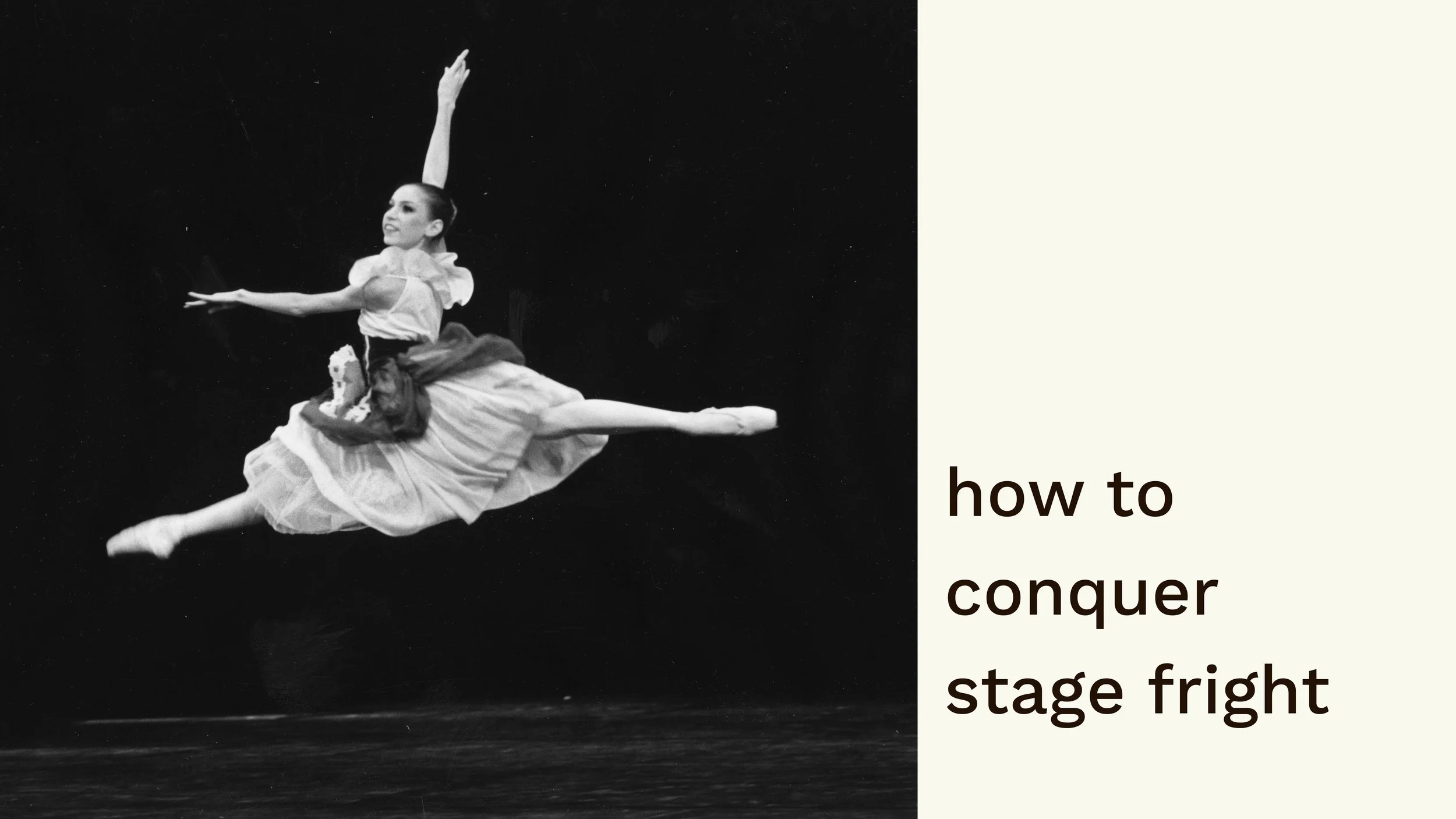
In this video I will describe what is physiologically happening in the body that causes the symptoms of stage fright and give you strategies to help calm your fears, refocus, and establish positive thinking so that you can give your best performance.
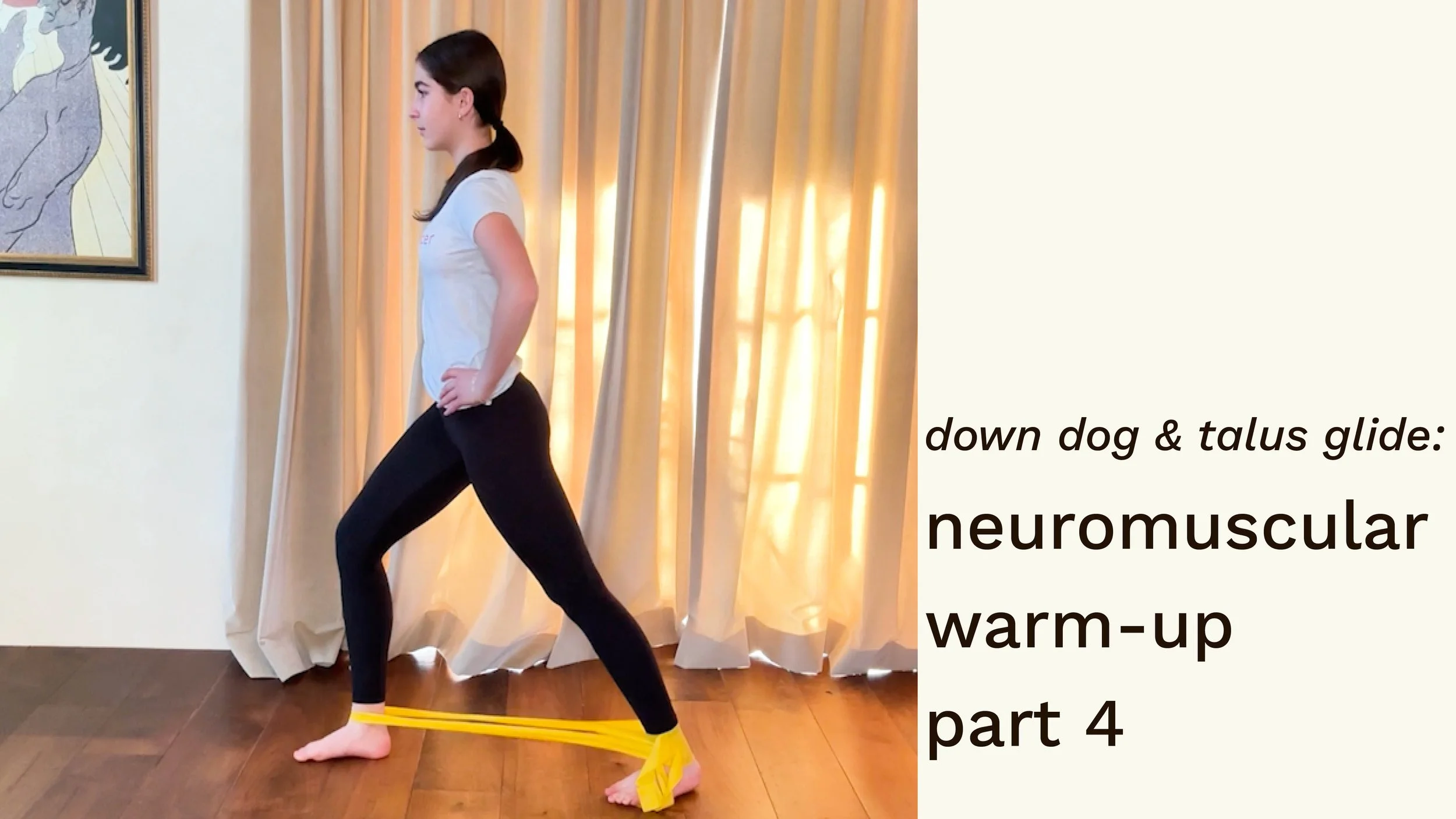
In part 4, a variation of a downward dog yoga position is shown to get the lower legs activated. For a deeper plié, a posterior talus glide is demonstrated with a theraband.
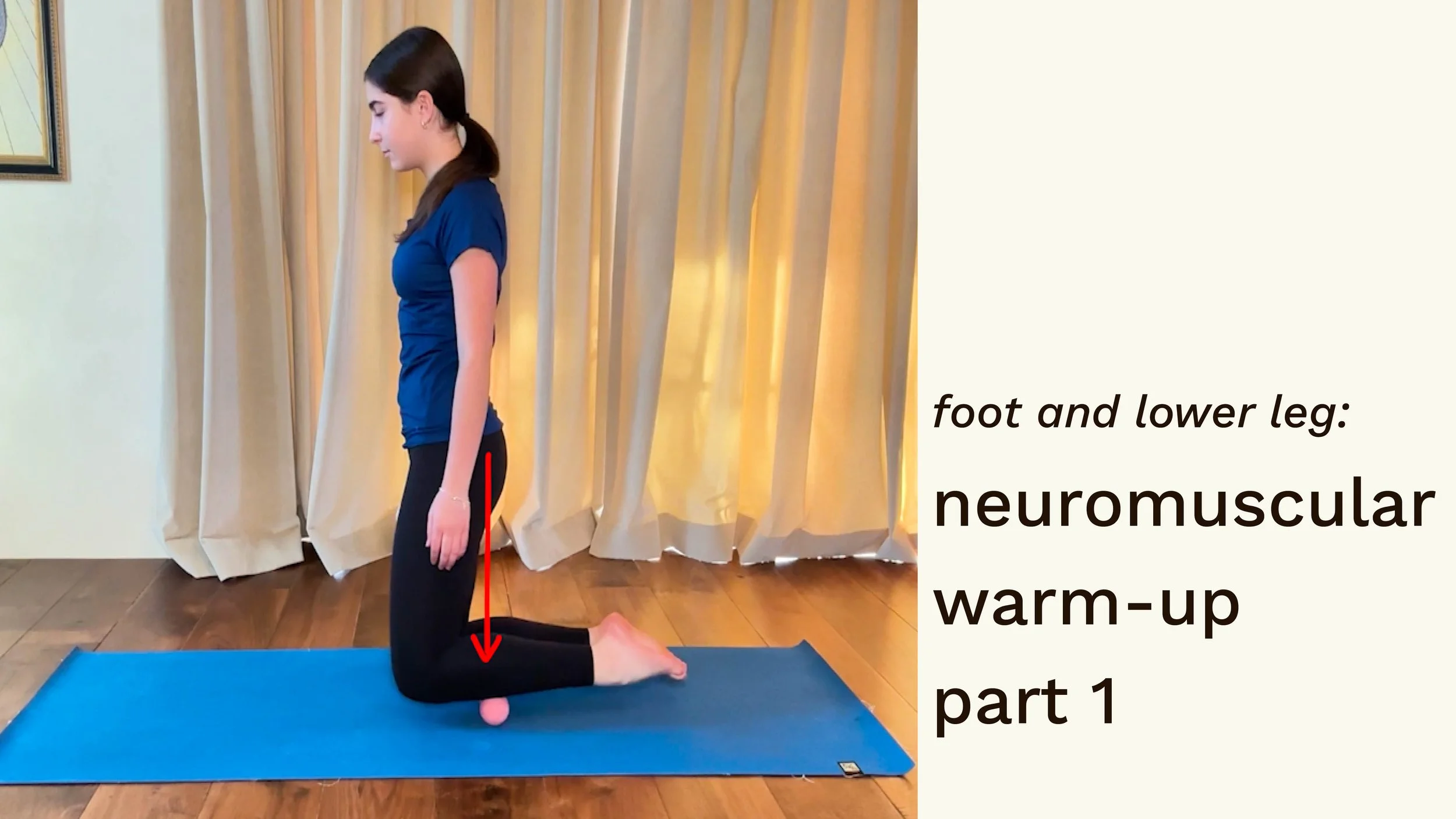
In this video I will teach a neuromuscular warm-up you can do prior to dancing. This is the first of a 6-video series addressing different parts of the body to get your nervous system in tune with your muscles so you will be better prepared for class.
This video is the final stage of the 8-week series of plyometric cross-training for dancers.
After successful completion of Stages 1 and 2, Stage 3 takes jumping to the next level. Improve your power and form for jumps with this effective cross-training regimen!
This special discussion is with internationally recognized endocrinologist Dr. Nicky Keay, whose clientele includes professional ballet dancers and Olympic athletes. She joins me from London to discuss hormones and their critical roles in health and optimal performance.
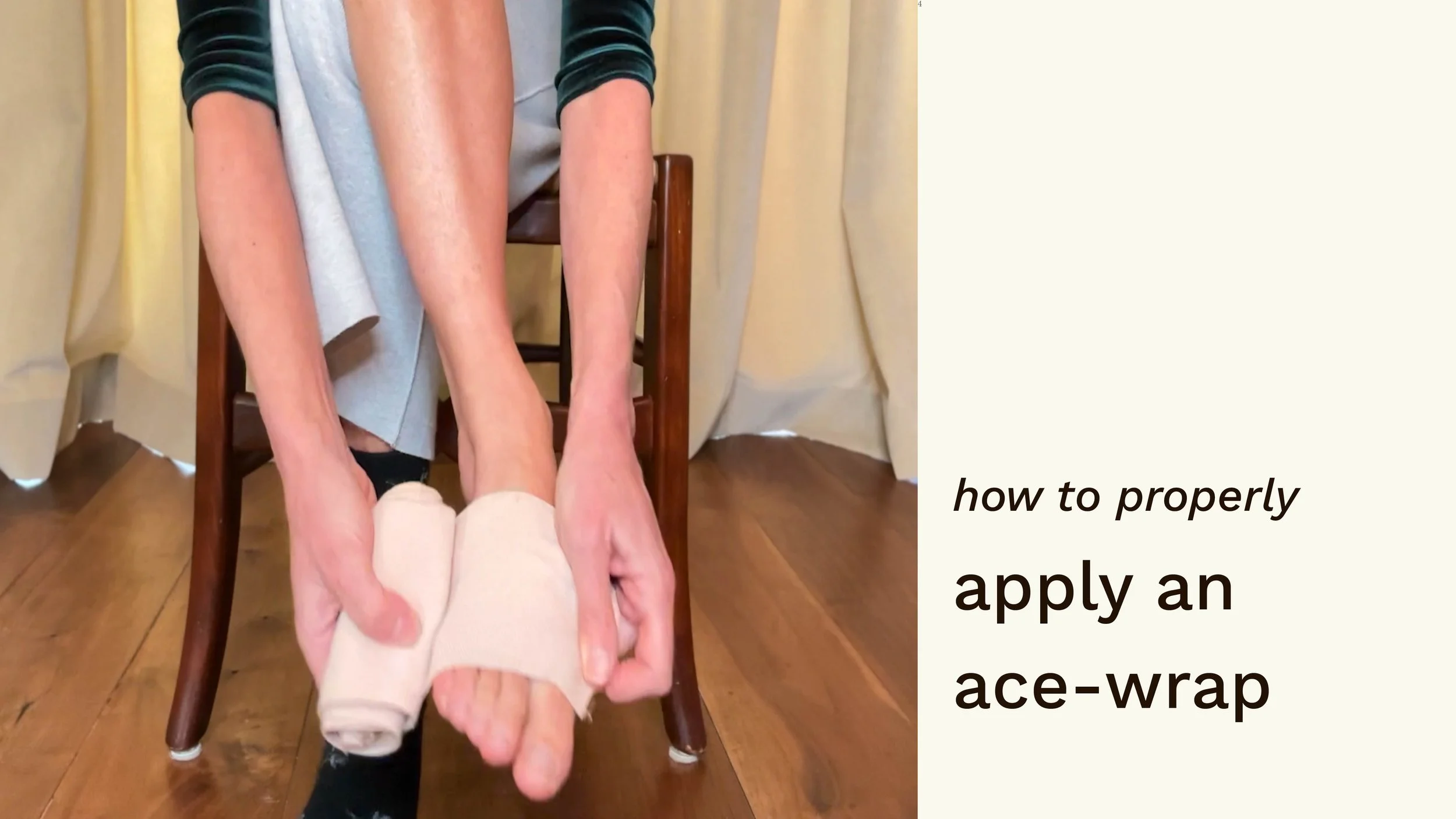
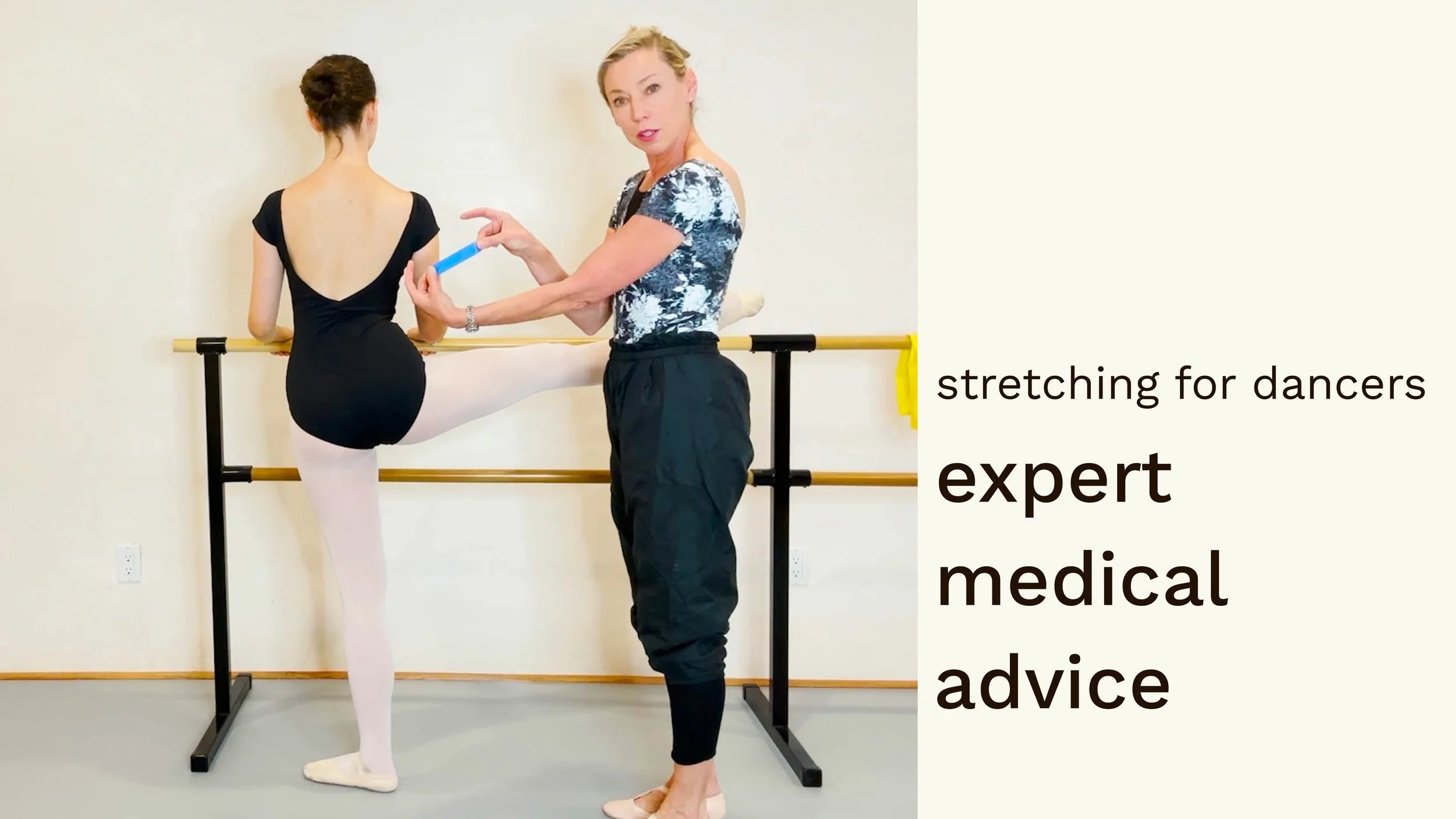
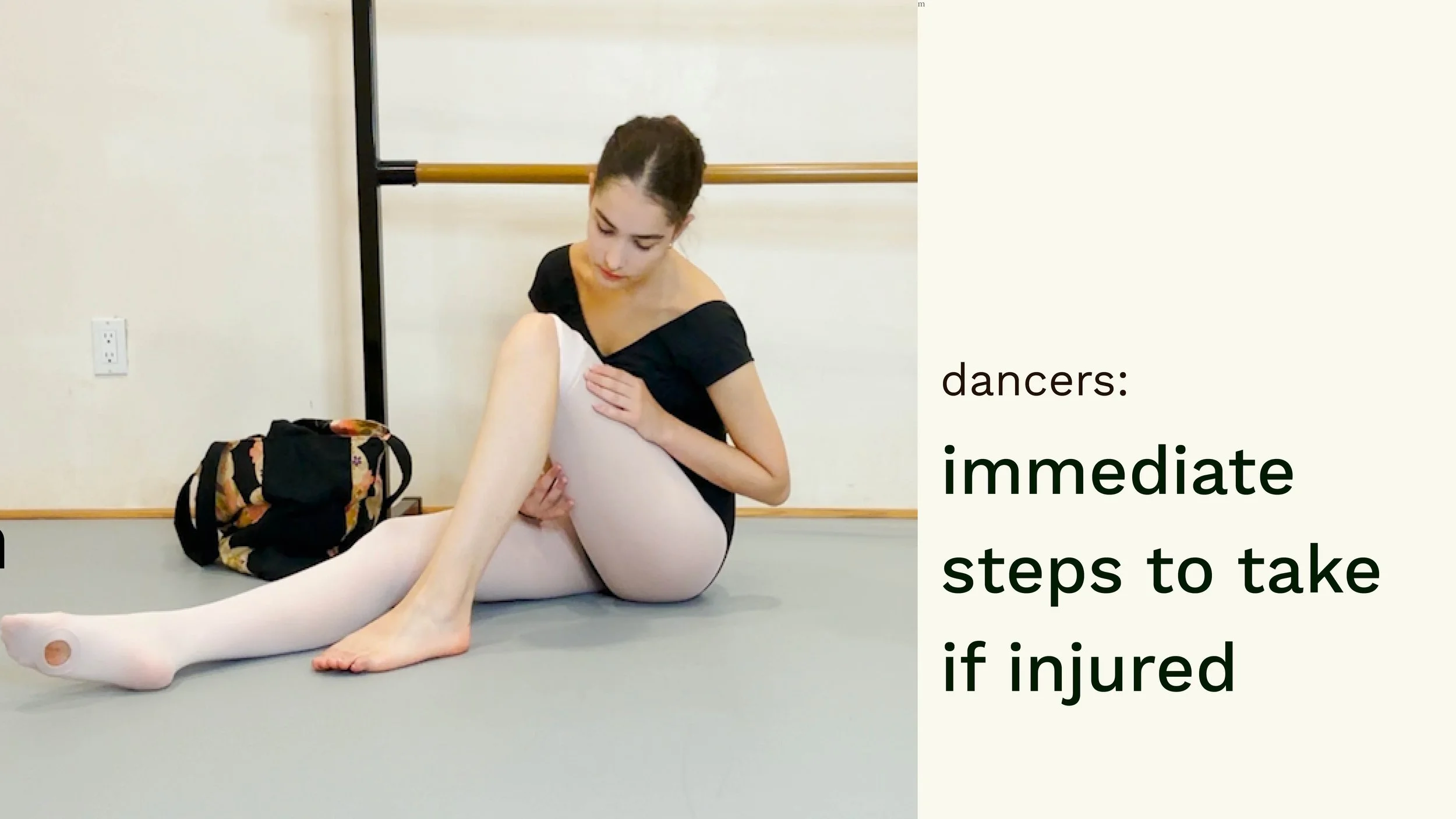
In this video I give professional medical advice for immediate steps to take in case you get injured. I will also give recommendations for items you need in your dance bag to be prepared.
In this video I give professional recommendations on how to best warm up your body to get the most out of class. I will also share a glimpse of my past, taking you on a walk down memory lane in San Diego to my first ballet classes!
This protocol developed by medical research for collegiate dancers will help you attain stronger, higher jumps, and reduce your risk of injury! Stage 1 must be successfully completed before starting Stage 2.
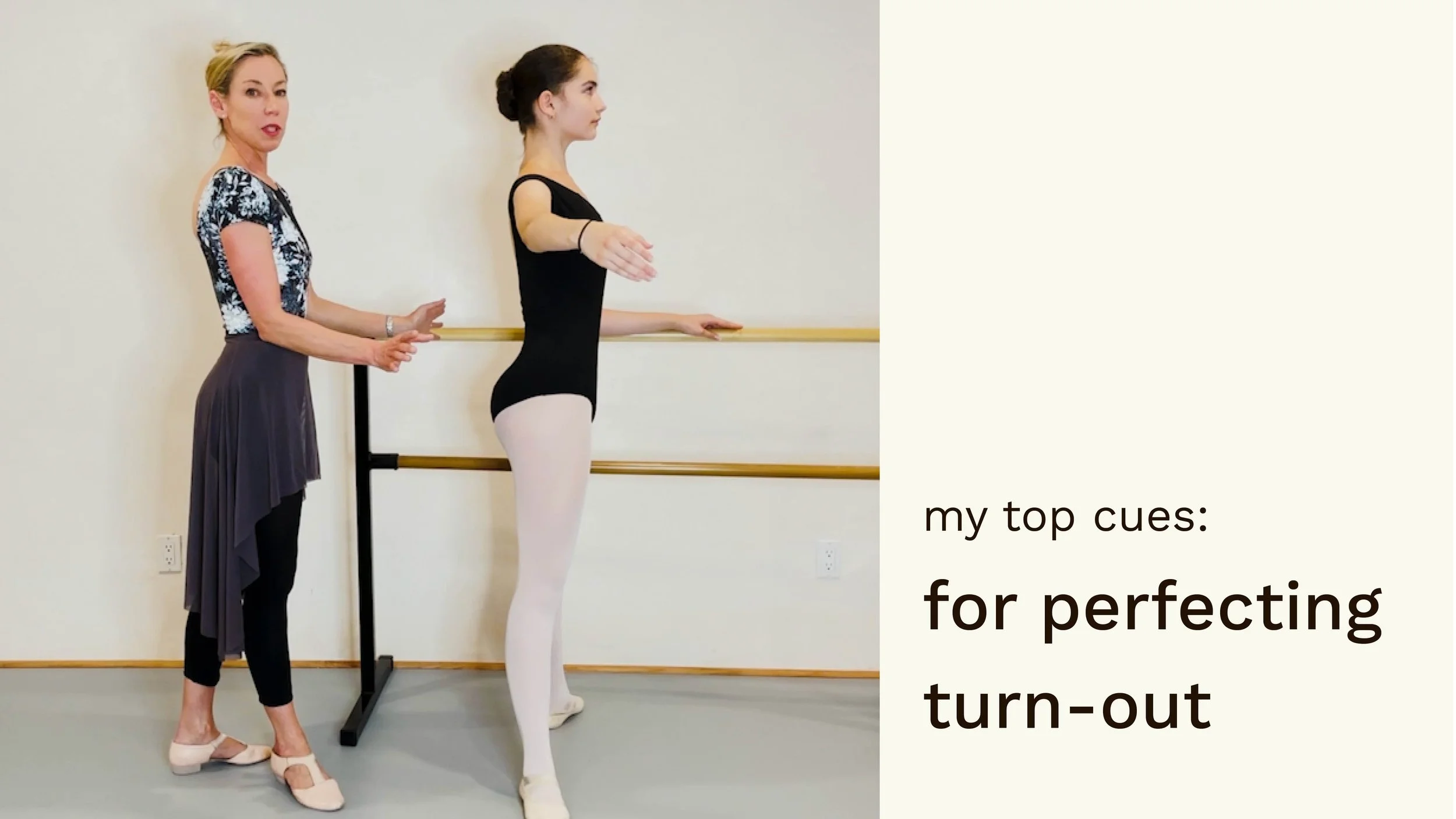
In this video I will share my top cues to use the proper core and hip muscles for turn-out that will improve your technique.
This protocol developed by medical research for collegiate dancers will help you attain stronger, higher jumps, and reduce your risk of injury! You must pass the 6 pre-tests (in a previous video) before beginning this cross-training series.
This short video will show you a few things you may not have thought to put into your dance bag to help you be better prepared.
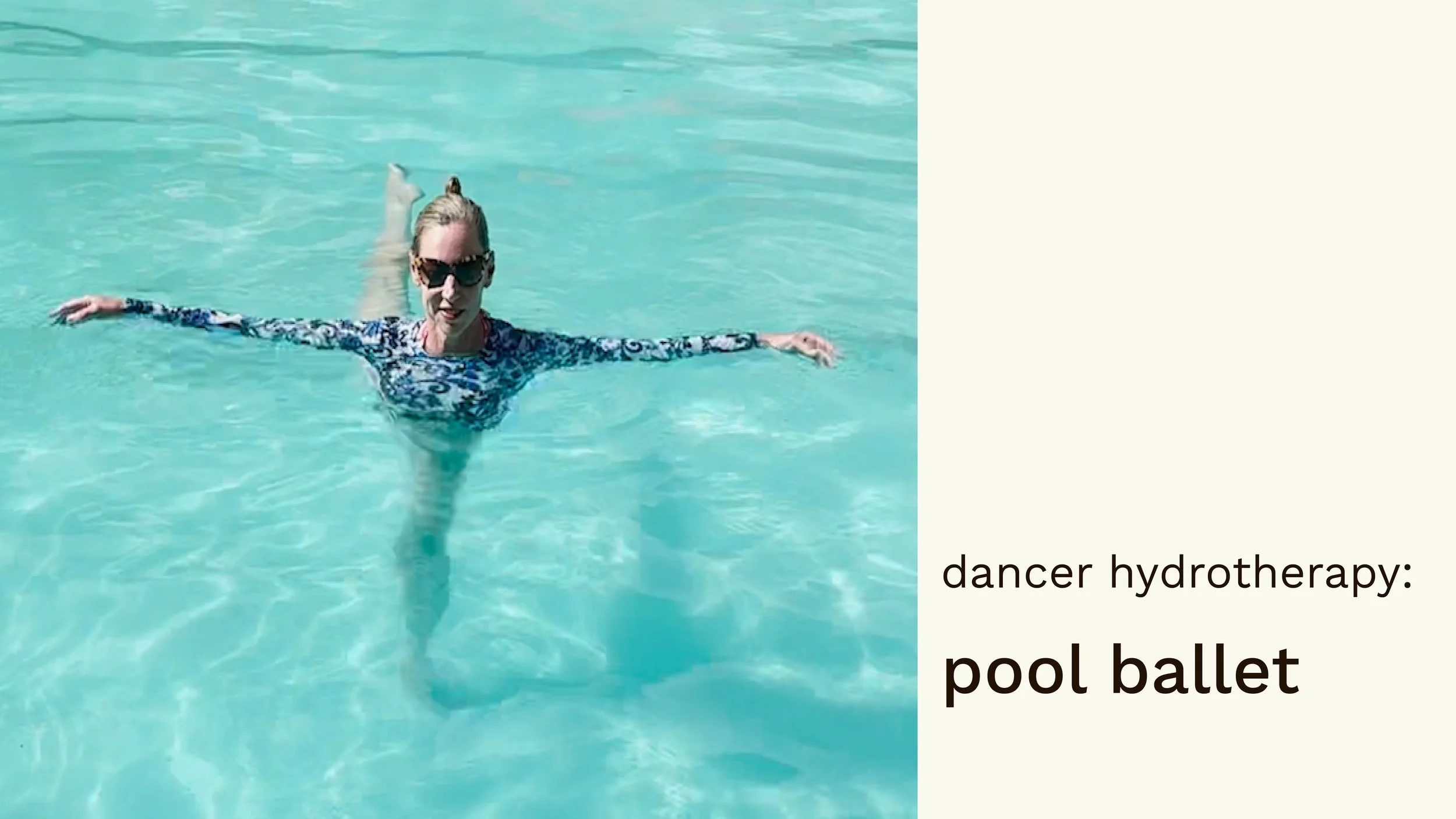
The pool is a great place for dancers to move without fighting gravity, and ease the pressure on their hard working joints. This video will show you what you can work on while in a pool to improve your technique.
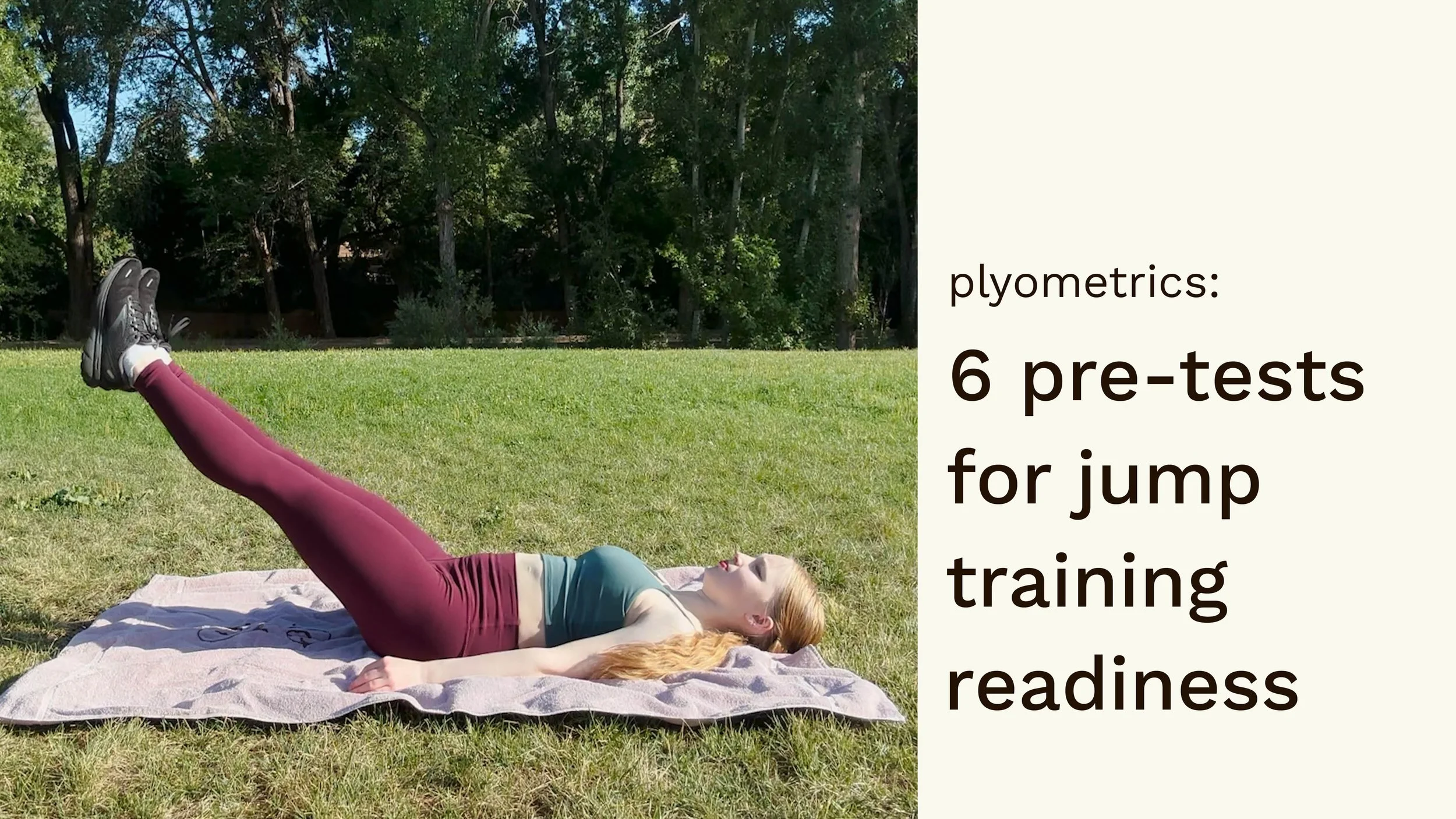
The training in this series was developed from research conducted by medical professionals who treat dancers. This first video of the series will show you the tests you must be able to pass before starting this demanding regimen.
my influences
I have loved ballet since I was a child watching old movies like “The Red Shoes”. My passion for dance led me to put off college to pursue a professional career, and I was fortunate to have that dream fulfilled. Even when I quit dancing professionally to become a Physical Therapist, I never stopped taking ballet classes.
I have seen dance performances all over the world, and have enjoyed discovering new choreographers and companies. I continually expand my knowledge base by taking advanced seminars for my professional licensure with medical experts who treat dancers. I implement all that I have learned when designing individualized programs for dancers.